To the Premier Museums of Tottori and Shimane
Encountering the Unique Artistic Spirit of San’in’s Museums
The San'in region boasts many art museums worth visiting for their artistic merit, including not only the famous “Sand Museum” known for its sand sculptures and the “Adachi Museum of Art,” consistently ranked Japan's top Japanese garden museum. This time, we've compiled a list focusing on museums scattered throughout San'in. If any catch your interest, be sure to visit!
When traveling in this area, we recommend using the “Discover Another Japan Pass.” It allows you to efficiently visit major tourist attractions for a flat fee. Download it to your smartphone beforehand for a convenient and cost-effective travel experience. Many of the spots introduced below were visited using the “Discover Another Japan Pass.” We hope you find this information useful for your travels.

Tezen Museum
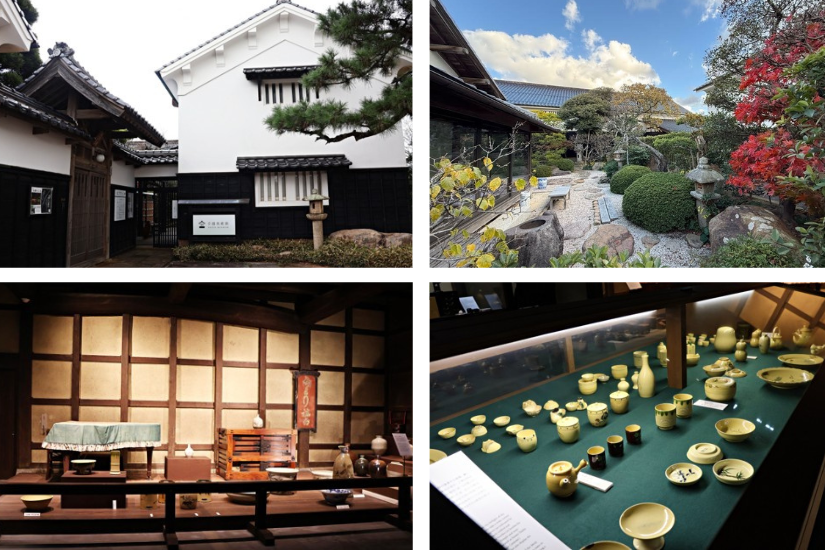
Tezen Museum was established to preserve and exhibit the Tezen family's successive collections. Its exhibition rooms were built in the late Edo period by converting rice storehouses and sake breweries. The successive heads of Tezen family, who ran a local sake brewery, were enthusiasts of poetry, haiku, tea ceremony, and flower arrangement. Their extensive collection of art and crafts across diverse fields eventually led to the establishment of this museum! Special exhibitions on various themes are held periodically. The garden within the museum grounds and the large pine tree outside are also major highlights.
Izumo Quilt Museum

Izumo Quilt Museum is Japan's first and only quilt museum, primarily exhibiting the works of Mutsuko Yawatagaki. Her pieces captivate visitors by breathing new life into old kimonos through exceptional craftsmanship, evoking the charm of “old Japan. ”The museum itself is housed in a traditional Izumo residence with 200 years of history. Through ikebana arrangements, spatial design, and seasonal theme exhibitions, it cultivates an atmosphere where “nature and time flow quietly,” allowing visitors to deeply experience Japanese culture.
Sand Museum
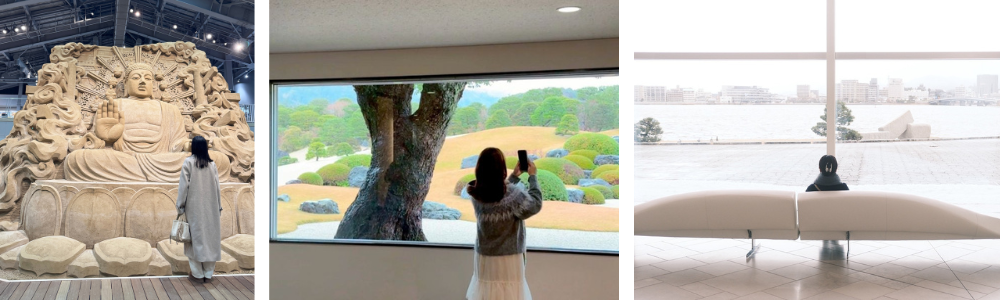
This is the world's only museum dedicated to creating art exclusively from sand. All works are made using only natural sand and water, with absolutely no adhesives. After the approximately nine-month exhibition period ends, all displayed works are dismantled, returning to sand once more, awaiting their next transformation. The expressions on the figures' faces, the lines of their clothing, and even the architectural details were vividly expressed. These are the works of 20 sand sculpture artists gathered from 12 countries, finished with realistic and beautiful detail. It's hard to imagine such magnificent works being created from sand, which is notoriously difficult to shape. If you come to Tottori, this is a spot you absolutely must visit!*16th Exhibition: “Sand World Travel: Japan”

Tottori Folk Art Museum
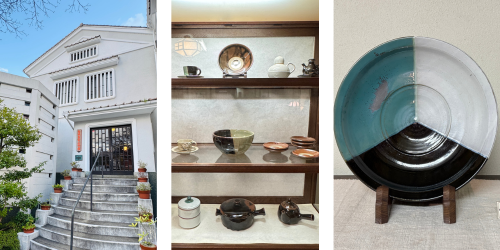
The Tottori Folk Art Museum was founded in 1949 and is designated as a National Registered Tangible Cultural Property. It houses a collection of over 5,000 works. “Mingei” (folk art), a concept proposed by Japanese philosopher Yanagi Muneyoshi, highlights the beauty found in practical crafts made by anonymous artisans for everyday use. The museum not only promotes the beauty of folk art but also serves as an educational venue. It's an irresistible facility for anyone who loves Japanese folk art!
Tottori Prefectural Museum of Art
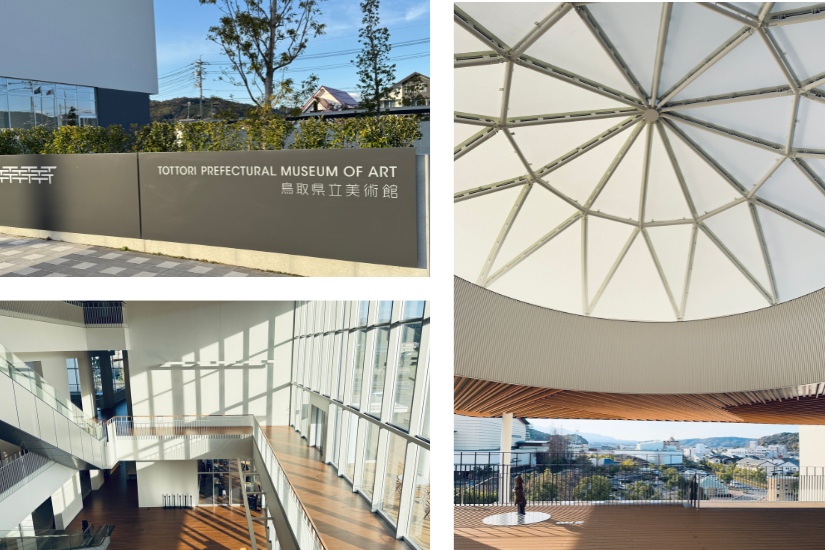
Opened in Kurayoshi City in 2025, the Tottori Prefectural Museum of Art features an open-concept building designed around the theme “OPENNESS!”. It houses a wide collection of outstanding artworks from Japan and abroad, focusing on works by artists connected to Tottori Prefecture. Among these, Andy Warhol's works are particularly famous. Beyond the exhibits, visitors can also enjoy the beauty of natural light streaming into the atrium extending up to the third floor and the architectural beauty combined with the views from the second-floor terrace. With many areas accessible for free, be sure to stop by.
Misasa Violin Museum
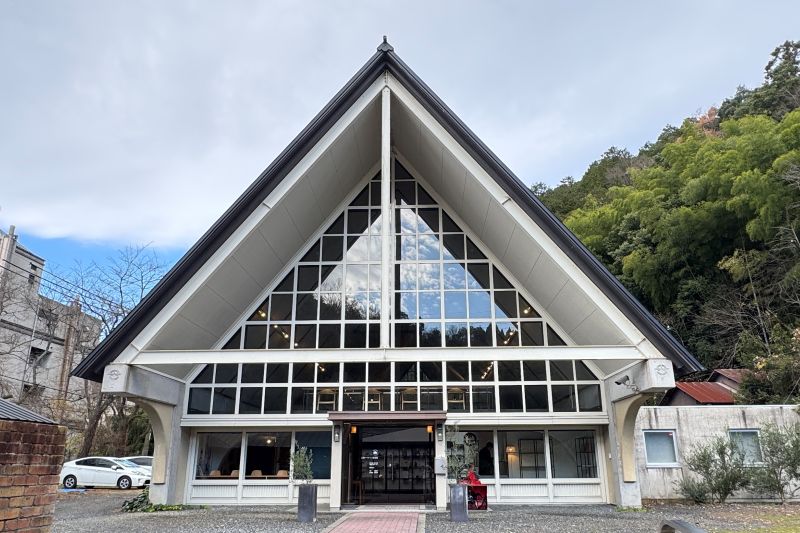
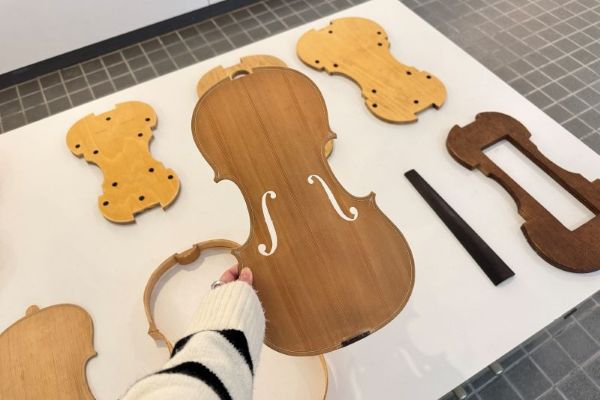
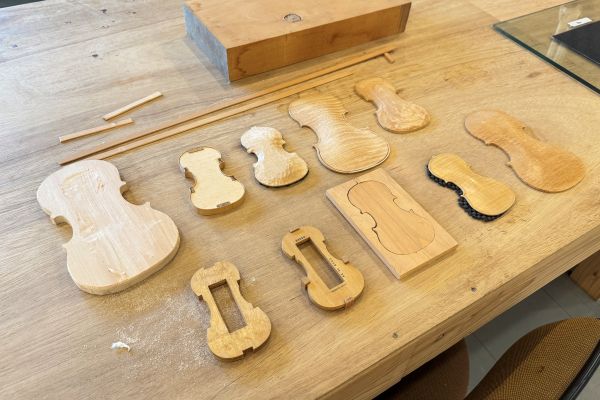
Located in Misasa Onsen, Tottori Prefecture, home to the world-rare “radium hot springs,” the Misasa Violin Museum is more than just a place to view violins. It's a facility where you can actually play a violin or handcraft your very own. On the first floor, you can observe the various stages of violin making, the techniques used, and the materials involved. Making a violin seems harder than playing one! The violin playing experience is a spot where families with children can enjoy themselves, as professional staff provide careful instruction!
Adachi Museum of Art

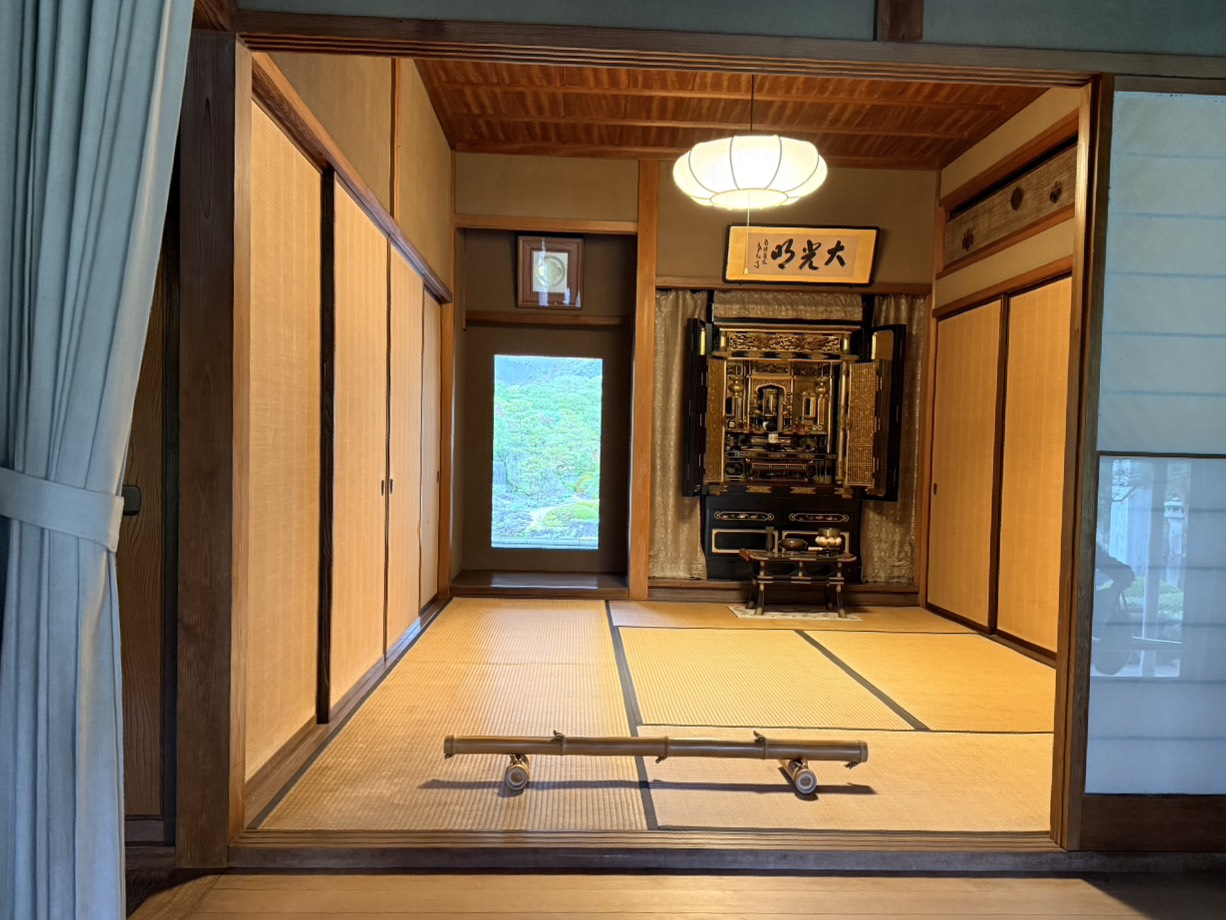
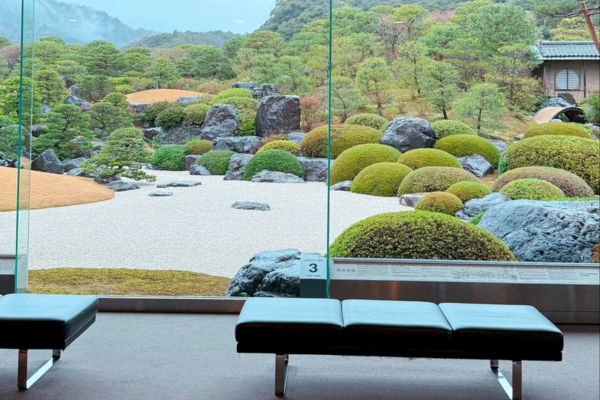
The Adachi Museum of Art is not merely an art museum; it is also an exhibition space for scenery that changes with the seasons. While the museum's collection focuses on modern Japanese paintings, its Japanese garden—voted “Japan's Best” consecutively by an American specialist magazine—is also a must-see. Maintained with meticulous care based on the belief that “the garden itself is a single painting,” it feels like viewing a living work of art. Some of the exhibited artworks seemed to blend with the garden scenery, enhancing them into even more magnificent pieces. It's a spot offering an emotion you can't capture in photos.
Shimane Prefectural Art Museum

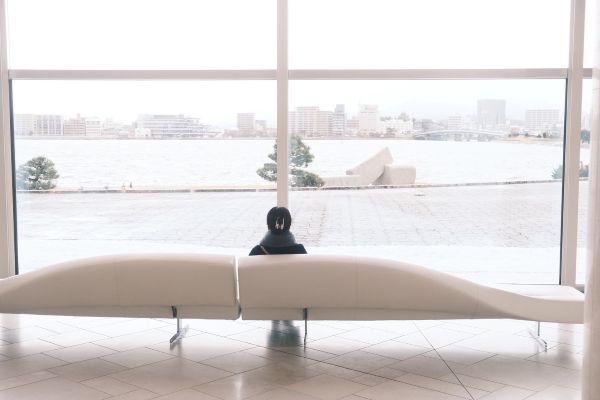
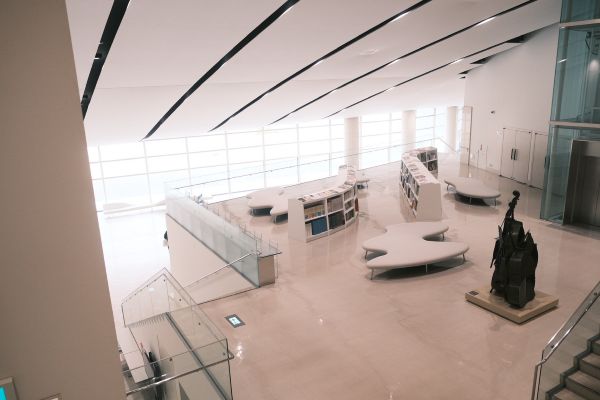
Shimane Prefectural Art Museum is located on the shores of Lake Shinji, renowned as one of Japan's premier sunset viewing spots. At dusk, the entire lake surface turns golden, and people gather on the lawn outside the museum to await the sunset. The exhibition spaces at the Shimane Art Museum are divided into five themed zones. Each area—from the Waterfront Gallery and Hokusai Corner to the crafts, photography, and sculpture exhibitions—exudes a distinct atmosphere. The most captivating moment comes after viewing the exhibitions, when you step out to the lakeside, feel the lake breeze, and watch the sunset slowly sink into the water.

