
From Tokyo and Osaka to Izumo and Iwami by Air, Rail, and Bus
Exploring Spiritual Heritage and History in Izumo & Iwami

Introducing Iwami Ginzan and the Izumo region, power spots within Shimane Prefecture! Surrounded by natural beauty, Iwami Ginzan is not only a World Heritage Site, but the townscape of its location, Omori is filled with a nostalgic atmosphere, offering photo-worthy spots everywhere.Izumo, a sacred land where the gods gather, boasts numerous historic temples and shrines, attracting visitors from around the world. Visit this sunset spot, recognized as a Japan Heritage site, walk there on foot and admire the sunset over the land created by the gods!
When traveling in this area, we recommend using the “Discover Another Japan Pass.” It allows you to efficiently visit major tourist attractions for a flat fee. Download it to your smartphone beforehand for a convenient and cost-effective travel experience. Many of the spots introduced below were visited using the “Discover Another Japan Pass.” We hope you find this information useful for your travels.
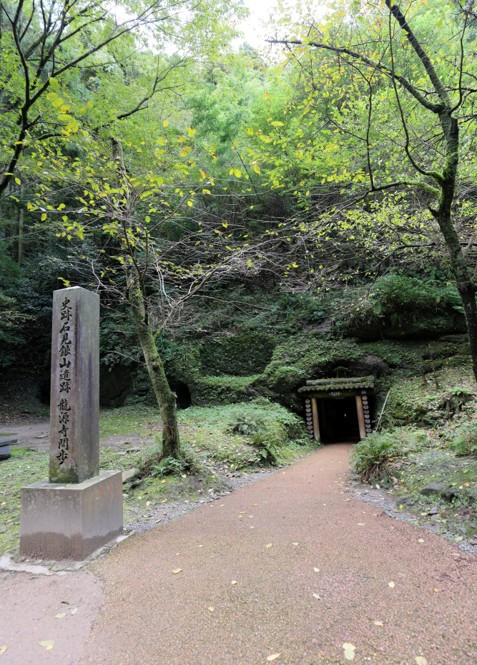
Iwami Ginzan World Heritage Center & Iwami Ginzan Museum

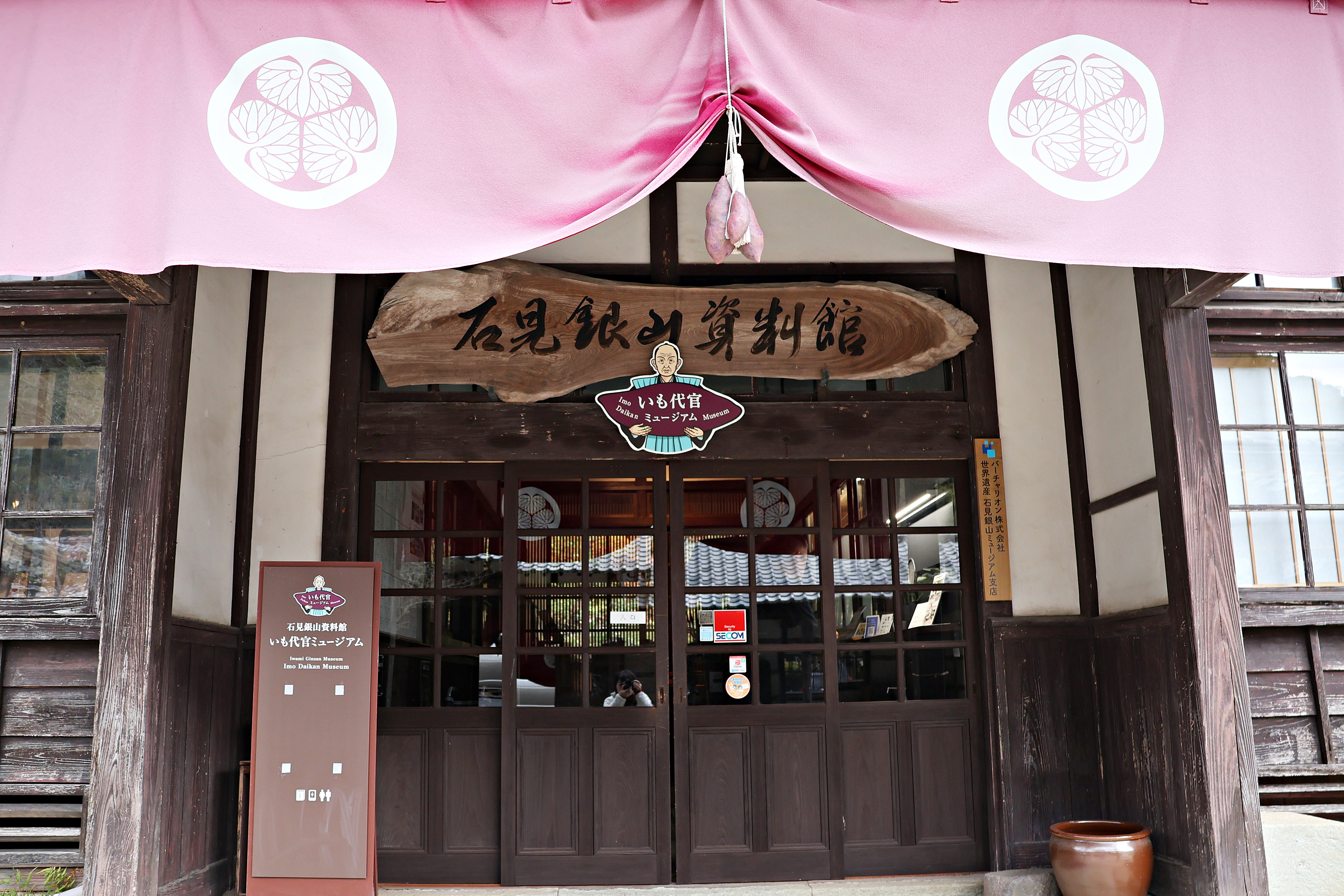
The Iwami Ginzan World Heritage Center is the ideal starting point for exploring the World Heritage Site of Iwami Ginzan. Through extensive exhibits and VR videos, it introduces the history of Iwami Ginzan, its global connections, and the lives of people in the mines and town. A section of the Okubo Mine Shaft has been reconstructed here, and a three-dimensional model of the entire site is displayed at the entrance. The Iwami Ginzan Museum was once the location where the Edo shogunate's magistrates managed Iwami Ginzan. Inside, mining tools, ancient documents, ore samples, scrolls, and various mining-related artifacts are displayed, making it the perfect place to learn about Iwami Ginzan. Who would have thought the Iwami Ginzan World Heritage Center is a sister museum to Taiwan's New Taipei City Gold Museum! Inside, there's even a special exhibition on Taiwan's Jinguashi, which was truly moving!
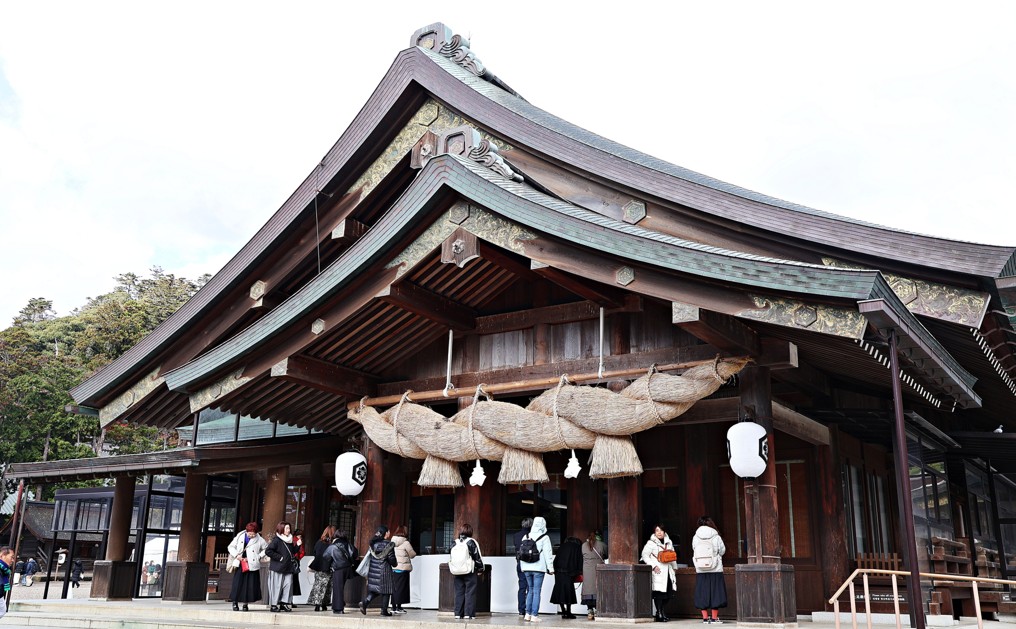
Izumo Taisha (Kagura Hall)

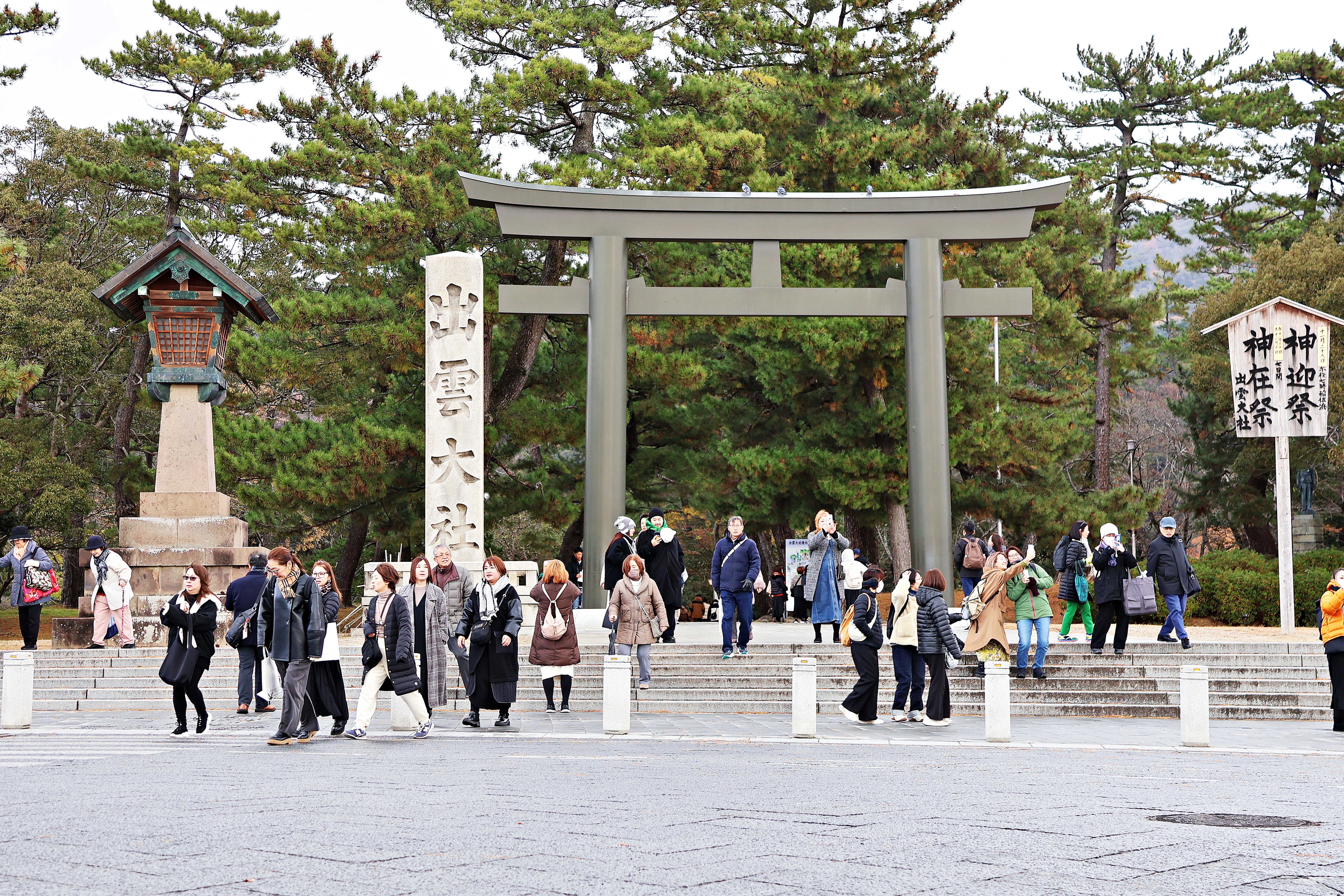
Japan's most powerful sacred site for matchmaking, Izumo Taisha, is the symbol of the divine land of Izumo. As a place where the gods gather, it has drawn deep devotion from people since ancient times. The sacred grounds are filled with an energy-rich, solemn atmosphere, and ancient shrine buildings with thousands of years of history stand majestically. It is a sacred site you should visit at least once in your lifetime. While the standard worship etiquette is “two bows, two claps, one bow,” at Izumo Taisha it is “two bows, four claps, one bow.” Furthermore, in the tenth month of the old lunar calendar, the Yaoyorozu (eight million) deities gather here from all over Japan. While this period is called “Kannazuki” (Month Without Gods) elsewhere, only in Izumo is it known as “Kamiarizuki” (Month With Gods). How incredibly fortunate I was to visit during Kamiarizuki! With this single bow, I got to pay my respects to all the deities of Japan!
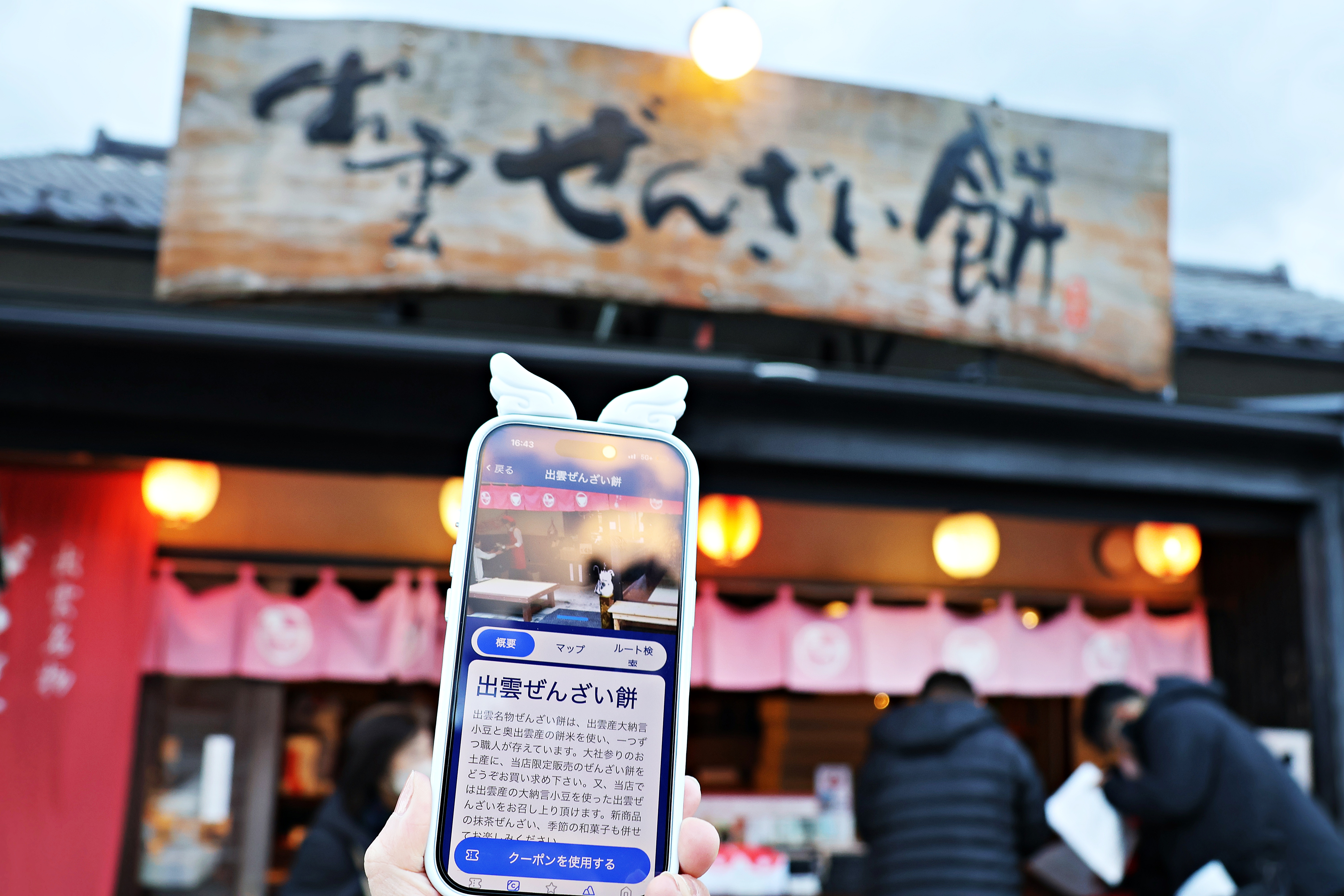
Izumo Zenzai Mochi & Goen Terrace
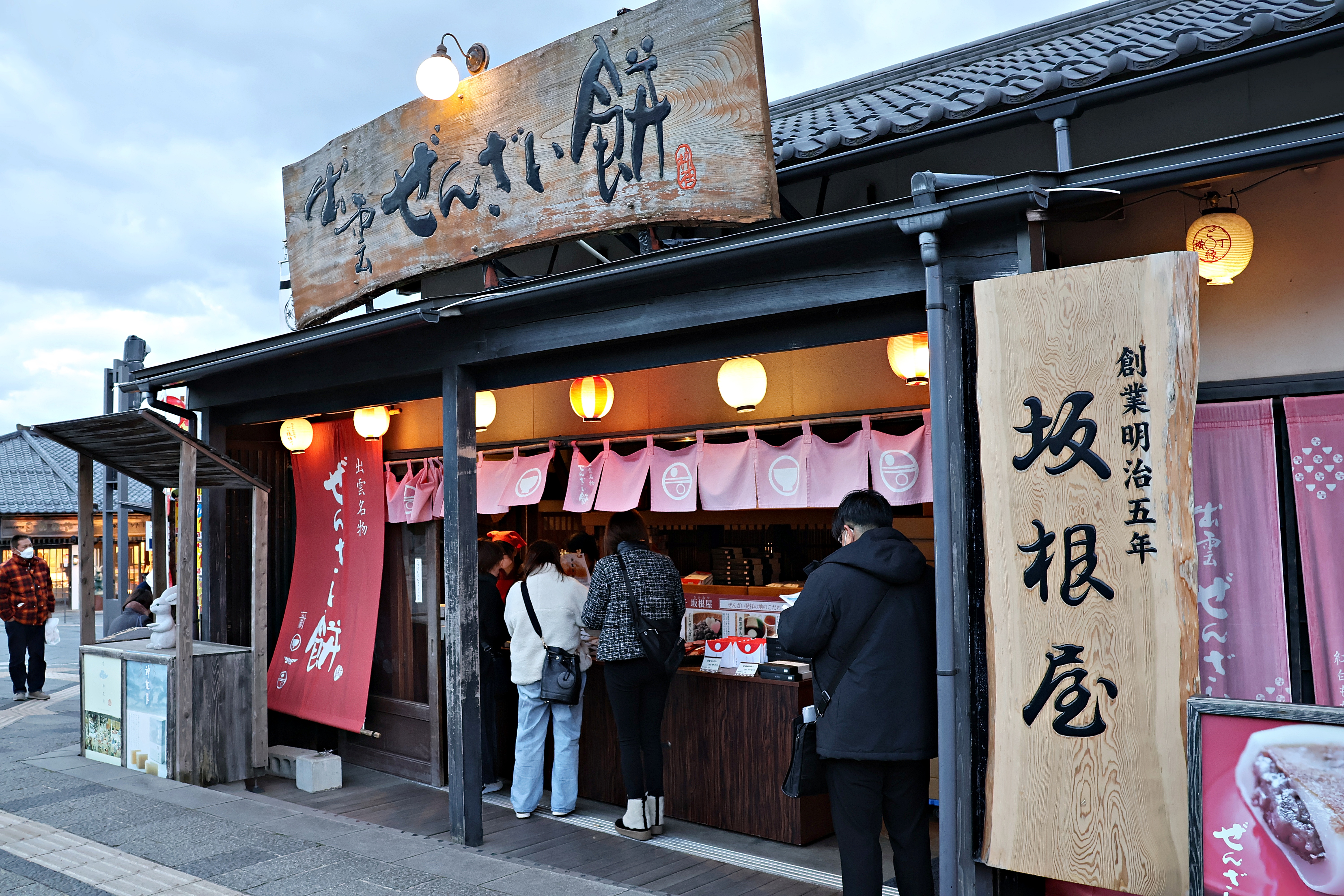
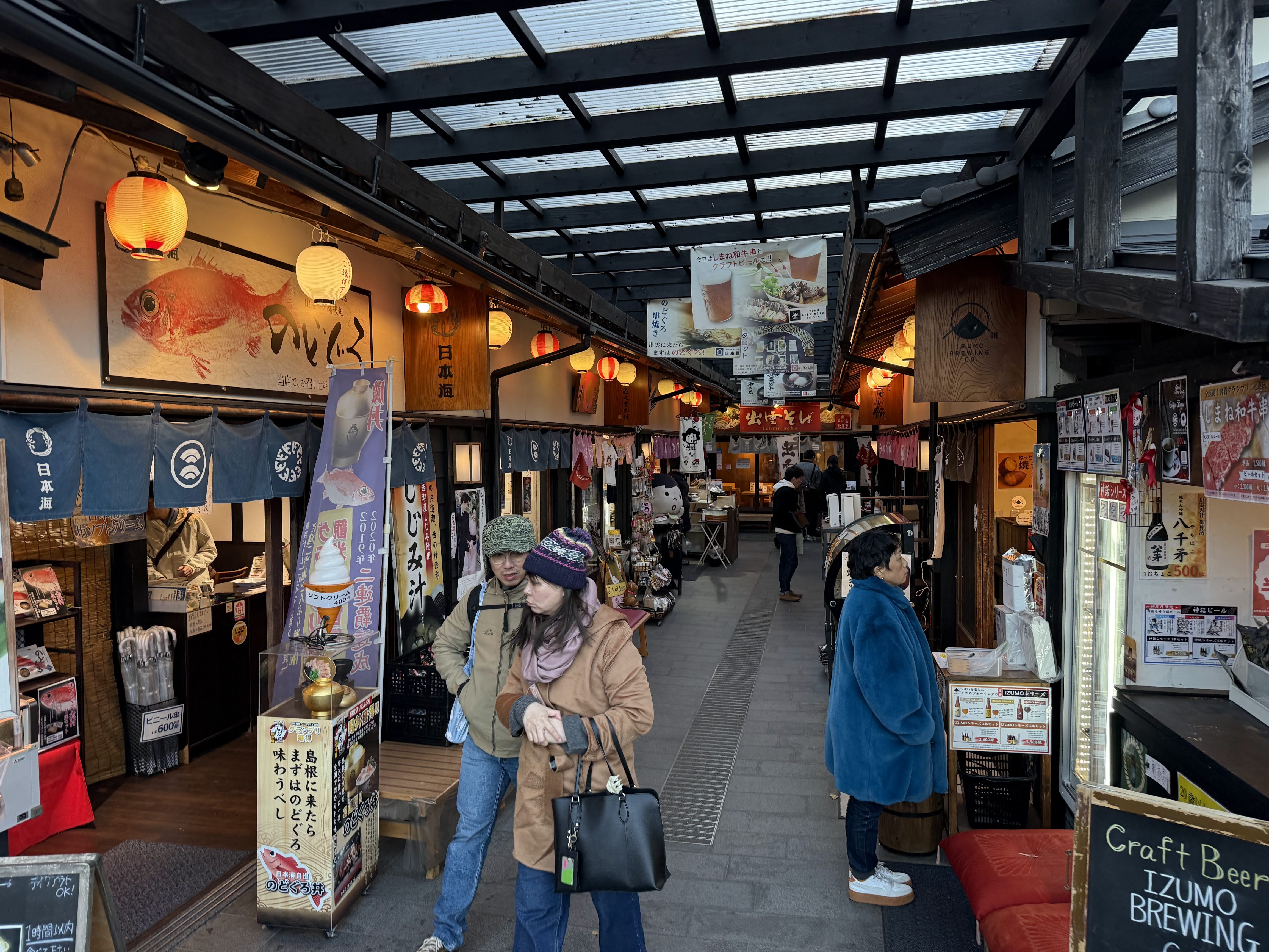
Along the Shinmon street Omotesando approach road facing Izumo Taisha Shrine, various restaurants and souvenir shops line the street. Izumo is said to be the birthplace of the traditional Japanese sweet “zenzai” (red bean paste eaten with warm mochi). At “Sakaneya,” established 150 years ago, they offer various types of ‘zenzai’ along with a souvenir product called “Izumo Zenzai Mochi.” This zenzai is wrapped in mochi, making it convenient for eating on the go. Goen Terrace is a famous spot where you can enjoy Izumo soba and various sweets. Using the Discover Another Japan Pass gets you a small gift. I ate delicious zenzai, bought zenzai mochi as a souvenir, and was completely satisfied!
Izumo Hinomisaki Lighthouse


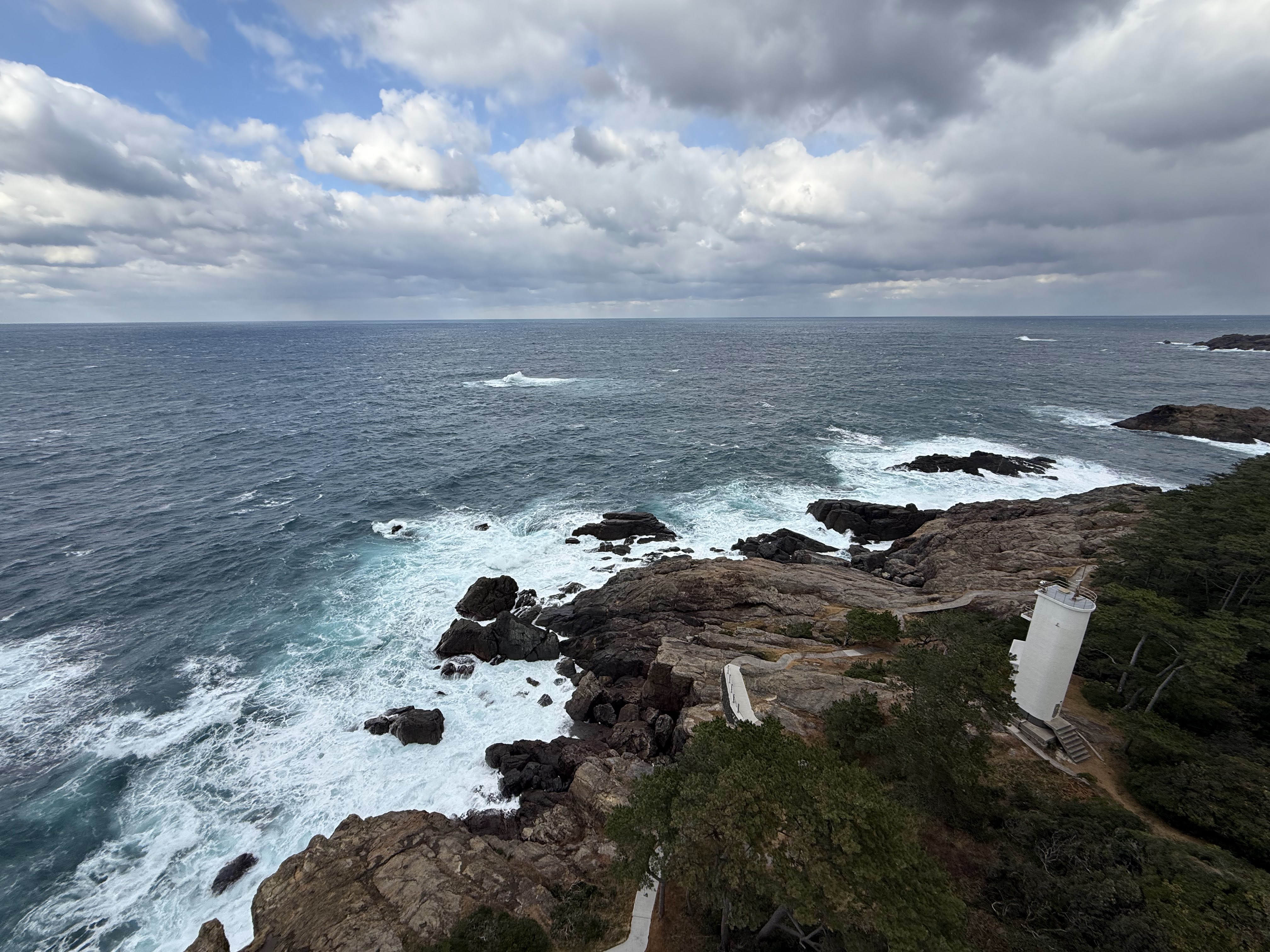
Towering atop the westernmost cliff of the Shimane Peninsula, the Izumo Hinomisaki Lighthouse has safeguarded maritime safety for over a century as Japan's tallest stone lighthouse. From its observation deck, visitors can survey the entire Shimane Peninsula, taking in the stunning views of the Sea of Japan, rock layers, columnar jointing, sea-eroded cliffs, and waves crashing against the rocks. The sunset views here are said to be breathtakingly beautiful. After visiting the lighthouse, we recommend strolling along the nearby coastal promenade or exploring the sunset legend at Hinomisaki Shrine. I visited Hinomisaki Shrine at dusk to pray for my family's health and for everything to go well. We highly recommend visiting both the Izumo Hinomisaki Lighthouse and Hinomisaki Shrine together.
Kakidani Restaurant

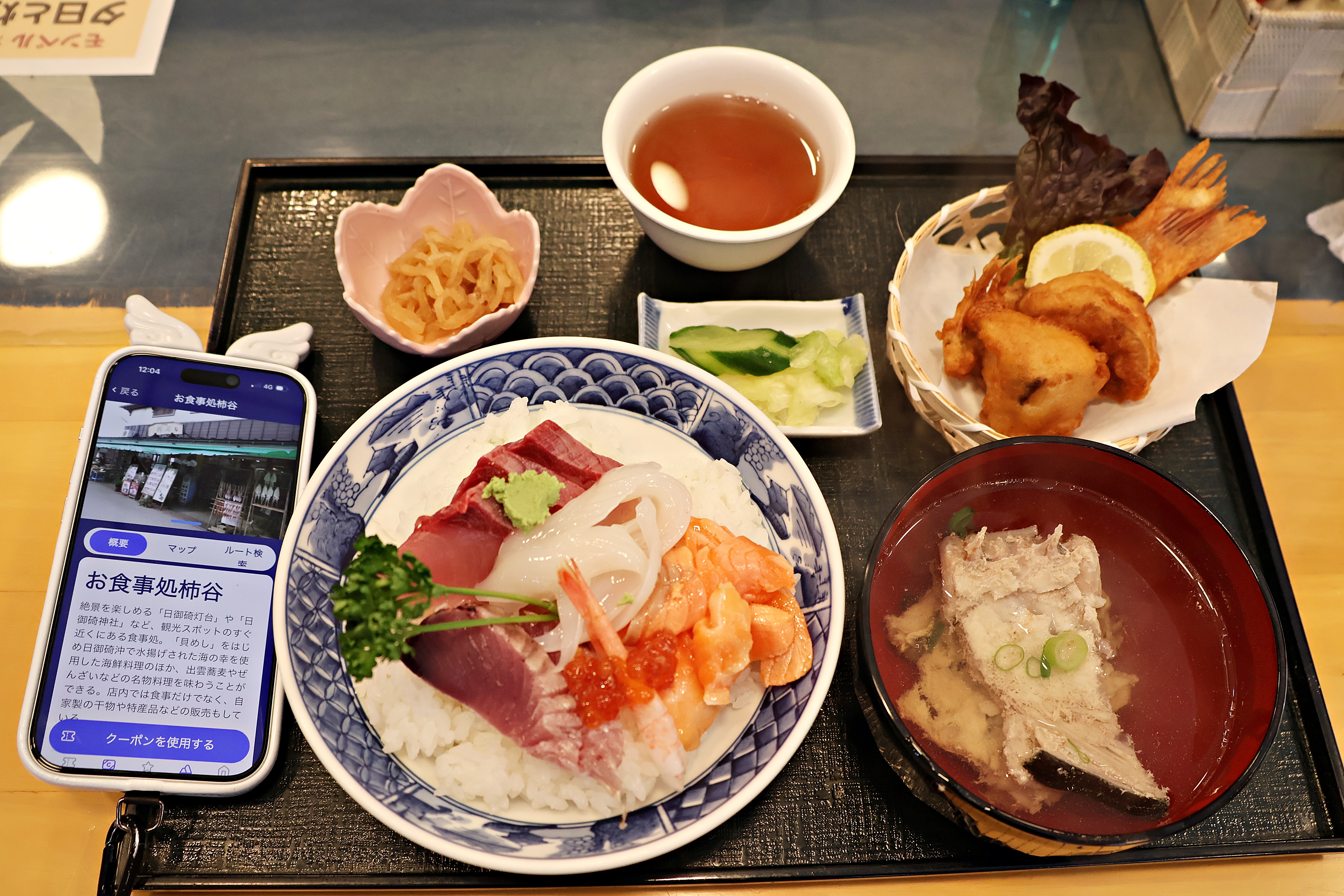
The area around the Izumo Hinomisaki Lighthouse is filled with souvenir shops and eateries. Among them, Kakidani Restaurant's “Fisherman's Bowl” is highly recommended. It features an abundance of fresh ingredients landed that very morning, with the contents changing seasonally. You can also enjoy rice simmered with locally caught turban shell, grilled turban shell, fresh sashimi, and seasonal grilled or simmered fish. The savory aroma of various seafood grilled right outside the shop whets the appetite, drawing many tourists to stop and savor the unique flavors of the sea unique to Hinomisaki. I ordered the most popular “Fisherman's Bowl.” It came with a small side dish, fried and simmered dishes, and soup, making it very satisfying and filling.
Shimane Winery

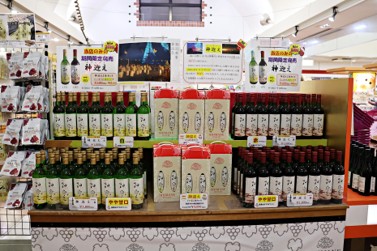
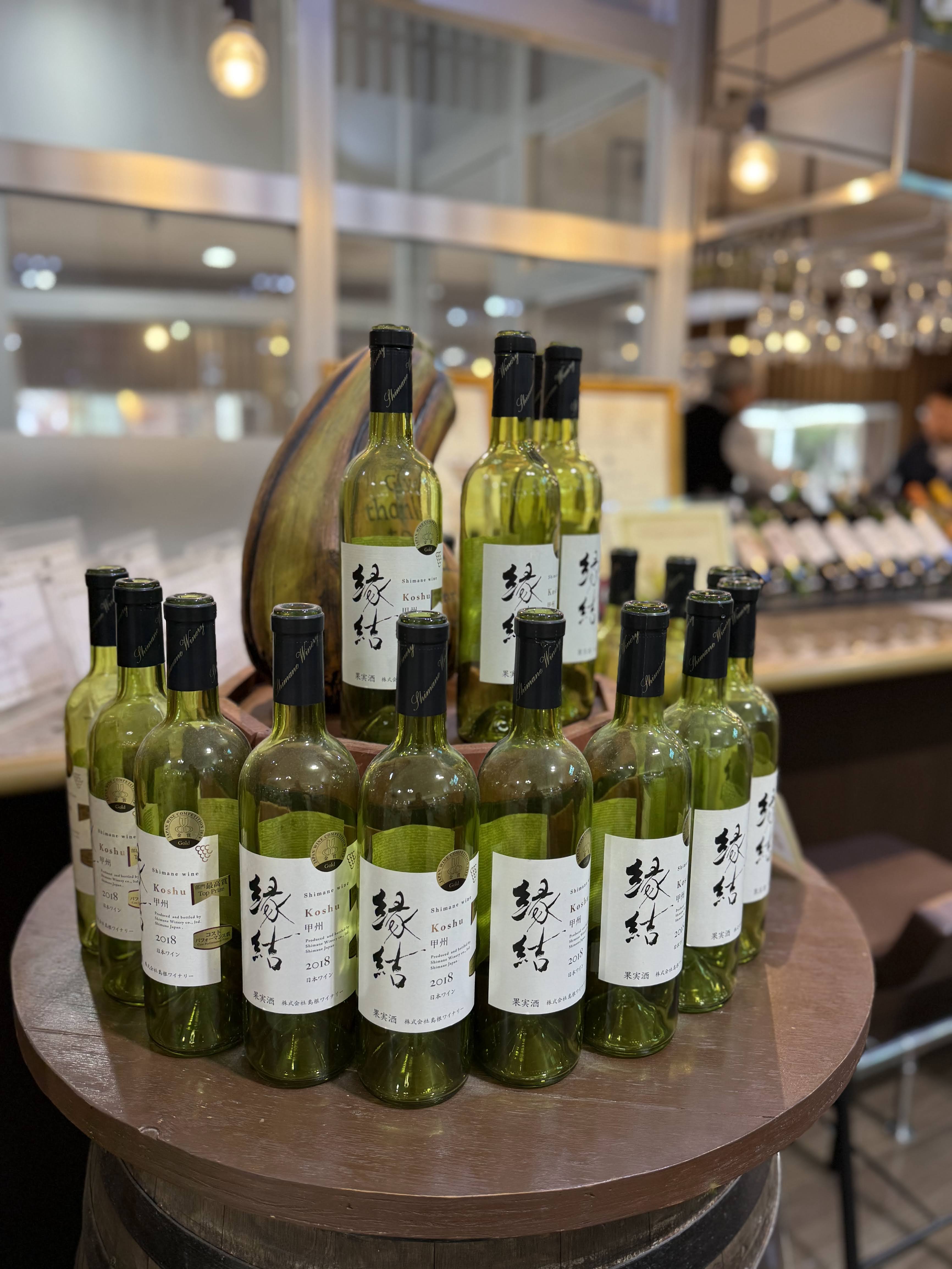
Shimane Winery produces its own original brand wines. At the free tasting corner, you can sample their prized wines and juices. The souvenir shop offers a wide selection of local specialties from the Izumo area and various wines. Particularly memorable are the limited-edition “Kami-Mukae” red and white wines available only during Kamiarizuki (the month of the gods) and the orange wine inspired by the Japan Heritage site “Sunset Sanctuary: Izumo.” Furthermore, the winery offers a BBQ restaurant with a relaxed atmosphere, where you can savor high-quality Shimane Wagyu beef barbecue while enjoying wine. I sampled the orange wine “Izumo” at the bar attached to the shop, and its captivating fruity aroma and refreshing palate had me hooked with just one sip!
Cotton Road Exchange Center
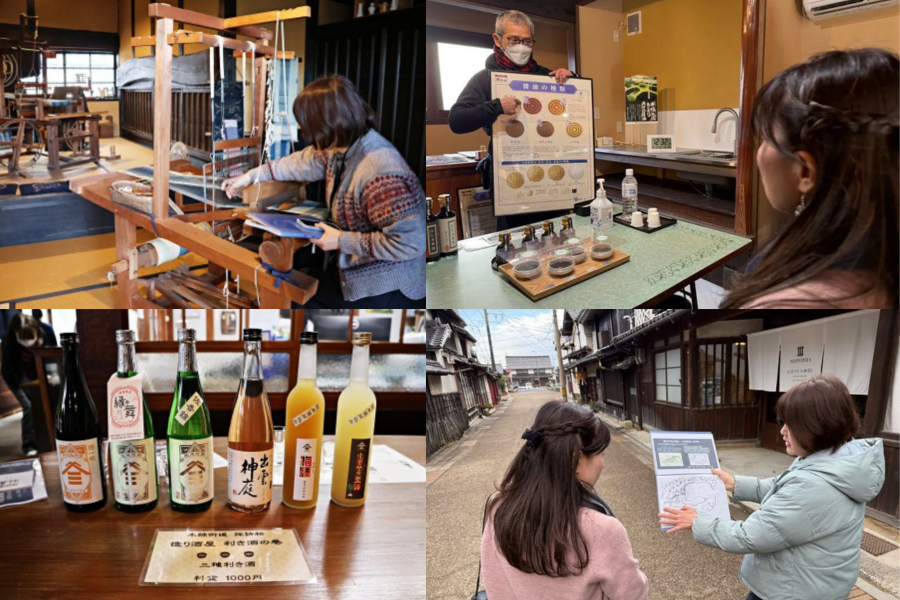
The Cotton Road, where you can feel the presence of history, once flourished as a cotton distribution hub, with the flowing Funakawa River serving as a vital cargo route. Remnants like wharves, long-established shops, and water sources for daily use still remain throughout the area. The Cotton Road Exchange Center offers various special experience programs, all highly fascinating. These include guided walks along the Cotton Road, soy sauce tasting lectures at OkamoIchiro Shoten, sake tasting experiences at Sakemochida Honten, and learning about cotton history alongside machine weaving experiences. The soy sauce lecture, in particular, is presented with such vivid energy it feels like watching a puppet show. We highly recommend you experience it for yourself.
Kojindani Museum

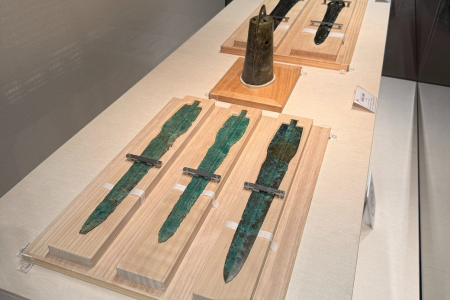
The Kojindani Museum is built adjacent to the Kojindani archaeological site. In the 1980s, 358 bronze swords, 16 bronze spears, and 6 bronze bells, all believed to have been made around the 1st century BC, were discovered at the Kojindani site. All of these artifacts have been designated as National Treasures. Currently, the National Treasure bronze artifacts are held by the Agency for Cultural Affairs and are on permanent display at the Shimane Prefectural Ancient Izumo History Museum. However, on the day of my visit, I was fortunate that a “homecoming exhibition” was being held at the Kojindani Museum.Standing before the National Treasure bronze artifacts lined up before me, I was enveloped in a strange sensation, as if I had slipped back in time to the distant ancient past.

Author: Mrs. Otsuka (Tsai Chia-hua)
Mrs. Otsuka is a freelance writer based in Tokyo. She is a free-spirited traveler of words, seeking a balance point between Taiwanese and Japanese cultures while finding her own place to belong. In addition to regular contributions to online travel media, she participates in tourism reporting trips across Japan as a foreign correspondent. She frequently shares snippets of Japanese life and travel online. Her published works include “Mrs. Otsuka's Tokyo Dining Table Stories,” “Tokyo Slow Travel,” and “Mrs. Otsuka's Guide to Japanese Food.” She is currently writing a book about “Traveling Through Japan's Regional Towns.”
Access from the Tokyo Metropolitan Area to Izumo City and Iwami Ginzan
 Air
Air 
 Bus
Bus
 Local Line
Bus
Local Line
Bus
Haneda Airport

Haneda Airport
Izumo Airport
Izumo-shi Station
Oda City Station
 Shinkansen
Local Line
Bus
Shinkansen
Local Line
Bus
Tokyo Station
Tokyo Station
Okayama Station
Izumo-shi Station
Ōda City Station
Access from Kansai to Izumo-shi and Iwami Ginzan
Shinkansen
Local Line
Bus
Shin-Osaka Station
Shin-Osaka Station
Okayama Station
Izumo-shi Station
Ōda Station

