
From Tokyo and Osaka to Tsuwano by Air and Rail
Experiencing Tsuwano’s Castle Town and Literary Heritage
Located in the western part of the San'in region, the small town of Tsuwano retains a strong atmosphere of a good old castle town, preserving its beautiful nostalgic streetscape and historical structures to this day. From Taikodani Inari Shrine, lined with a thousand vermilion torii gates, to the Mori Ogai Memorial Museum honoring the literary giant, and the former Hori Family Garden, which embodies the charm of each season, each site tells its own unique story. This is a hallowed ground for literature and art, a region with deep-rooted historical and cultural strength. Come and discover its unique charm for your self.
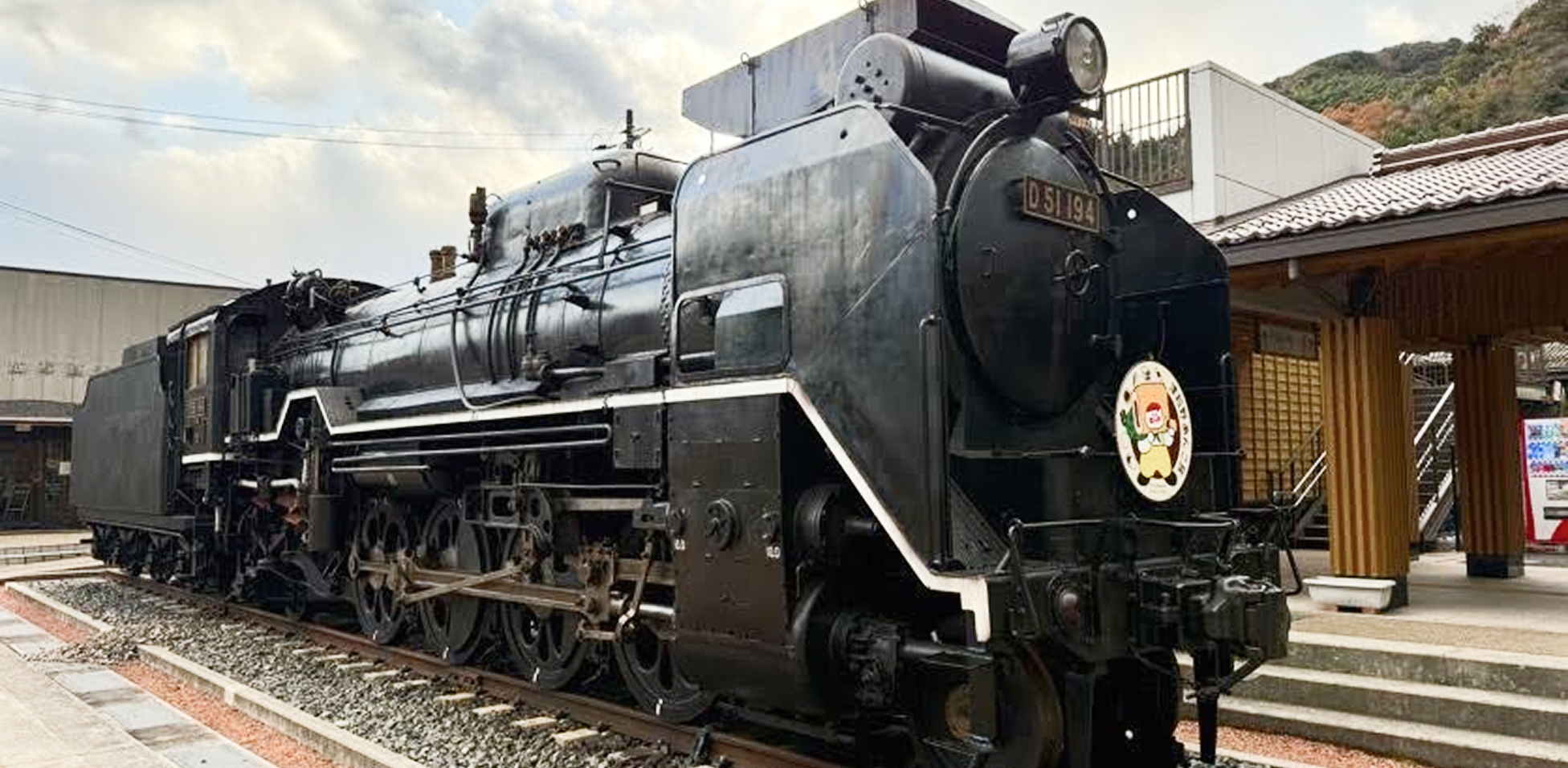
When traveling in this area, we recommend using the “Discover Another Japan Pass.” It allows you to efficiently visit major tourist attractions for a flat fee. Download it to your smartphone in advance, you can explore efficiently, making your trip easy, convenient and great value. Many of the spots introduced below were visited using the “Discover Another Japan Pass.” We hope you find this information useful for your travels.
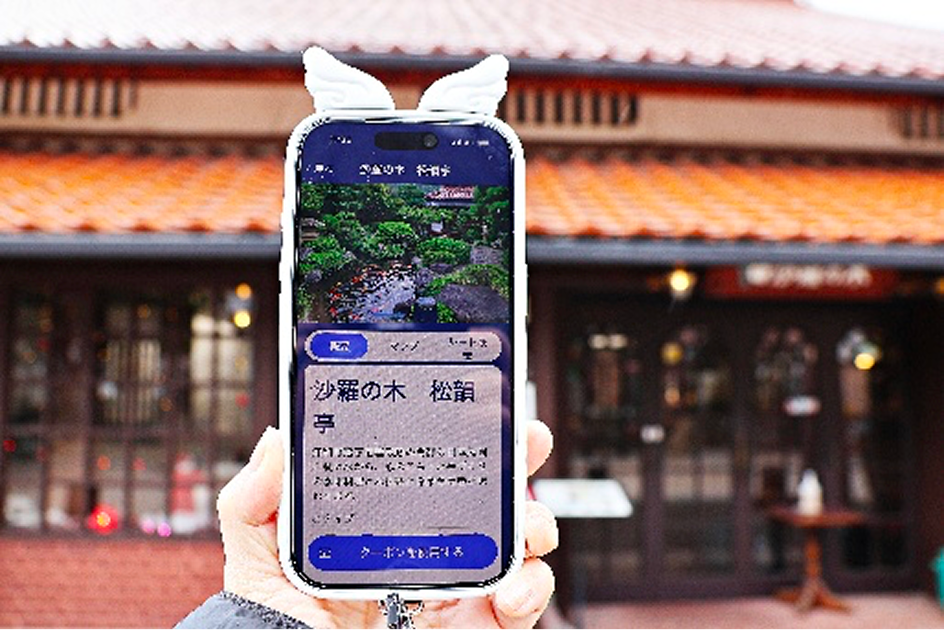
Sara no Ki Shōin-tei

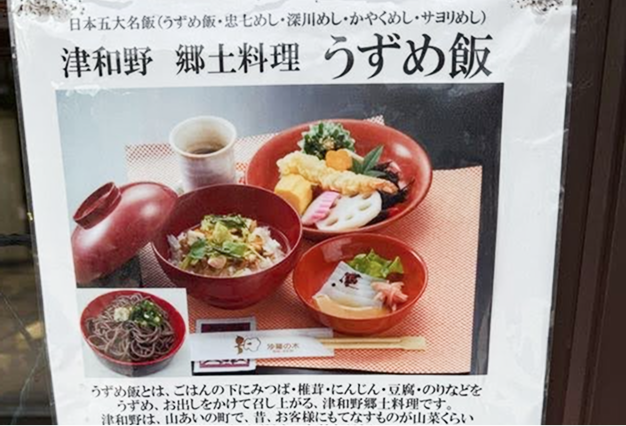
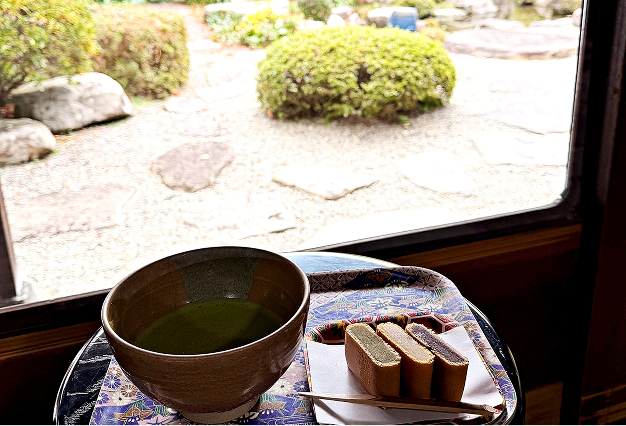
Tonomachi Street is a representative sightseeing spot in Tsuwano's castle town. Along the street, Sara no Ki Shōin-tei offers various gourmet foods and souvenirs. Among them, the local dish “Uzume Rice,” counted among Japan's five great rice dishes, and Tsuwano's famous confectionery “Genji Maki” are must-try items. You can also enjoy matcha tea and “Genji Maki” while gazing at the elegant Japanese garden. Presenting the “Discover Another Japan Pass” entitles you to a discount. Here, I spent a quiet, leisurely moment immersed in Japanese ambiance. Both the building itself and the nostalgic townscape unfolding before it are well worth savoring.
Taikodani Inari Shrine

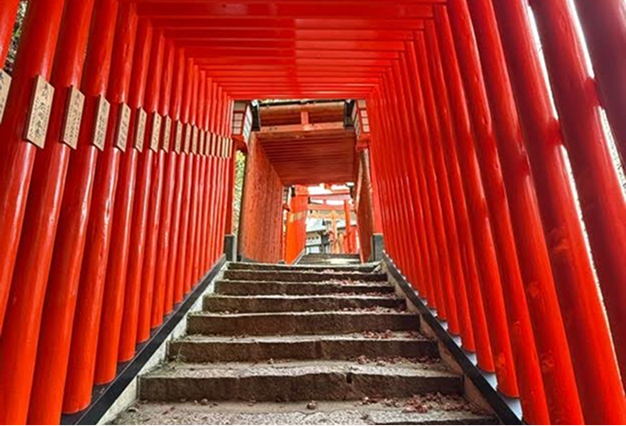

Taikodani Inari Shrine is counted among Japan's five great Inari shrines. The character “成” (nari) in its name signifies the fulfillment of wishes, making it the only inari shrine in Japan whose name includes the character “成”. Passing through approximately 1,000 vermilion torii gates to worship here fills visitors with a profound sense of accomplishment and joy. The view from the hilltop is breathtakingly beautiful, offering a panoramic vista of Tsuwano Town's picturesque streets and the surrounding mountain scenery. Those thousand vermilion torii gates are perfect for photography, and you're sure to capture many distinctive photos here.
Mori Ōgai Former Residence & Memorial Museum


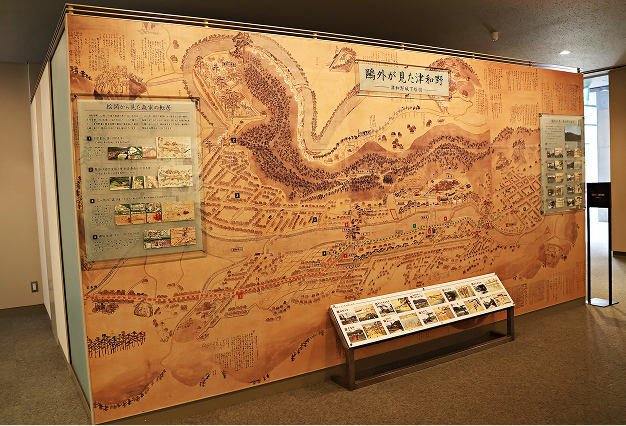
Tsuwano Town is the birthplace of Mori Ōgai, a renowned writer of the Meiji era. The memorial museum displays numerous works, including “The Dancing Girl” and “The Takase Boat,” along with valuable materials and manuscripts related to the author, Mori Ōgai. North of the museum stands Mori Ōgai's former residence. Along the path leading from the memorial hall to the residence stands a cherry tree named “The Dancing Girl.” It makes you want to see its beautiful form with your own eyes when the cherry blossoms are in full bloom in spring. In fact, you can also learn that Mori Ōgai was a renowned military doctor who had close ties to Taiwan.
The School of Medical Nutrition: Former Hatagasako Hospital
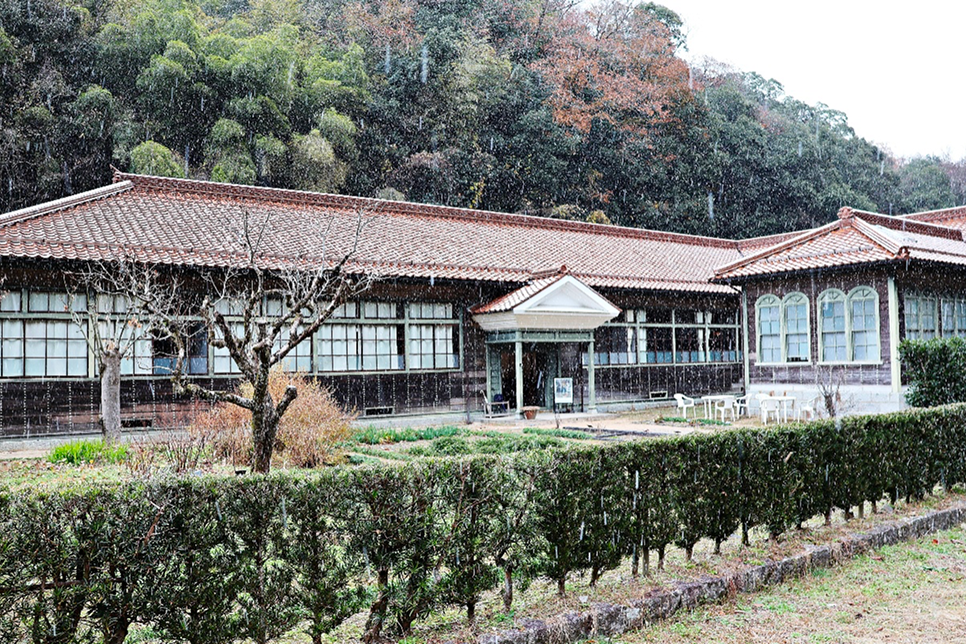

Hatagasako Hospital was a private hospital founded by Reizo Hori, a entrepreneur from Hatagasako Village. After its closure, it opened to the public, allowing visitors to see the medical environment and equipment of that era. The old-style X-ray machine, in particular, attracts much attention. Inside the facility, a restaurant based on the concept of “dietary therapy” is available, and seasonings, ingredients, and books are also sold. Various events are regularly held to understand and pass on seasonal ingredients and life tips. Next time, be sure to savor the food and drink inside the facility and enjoy the charm of cuisine based on the concept of “dietary therapy”!
Former Hori Family Garden
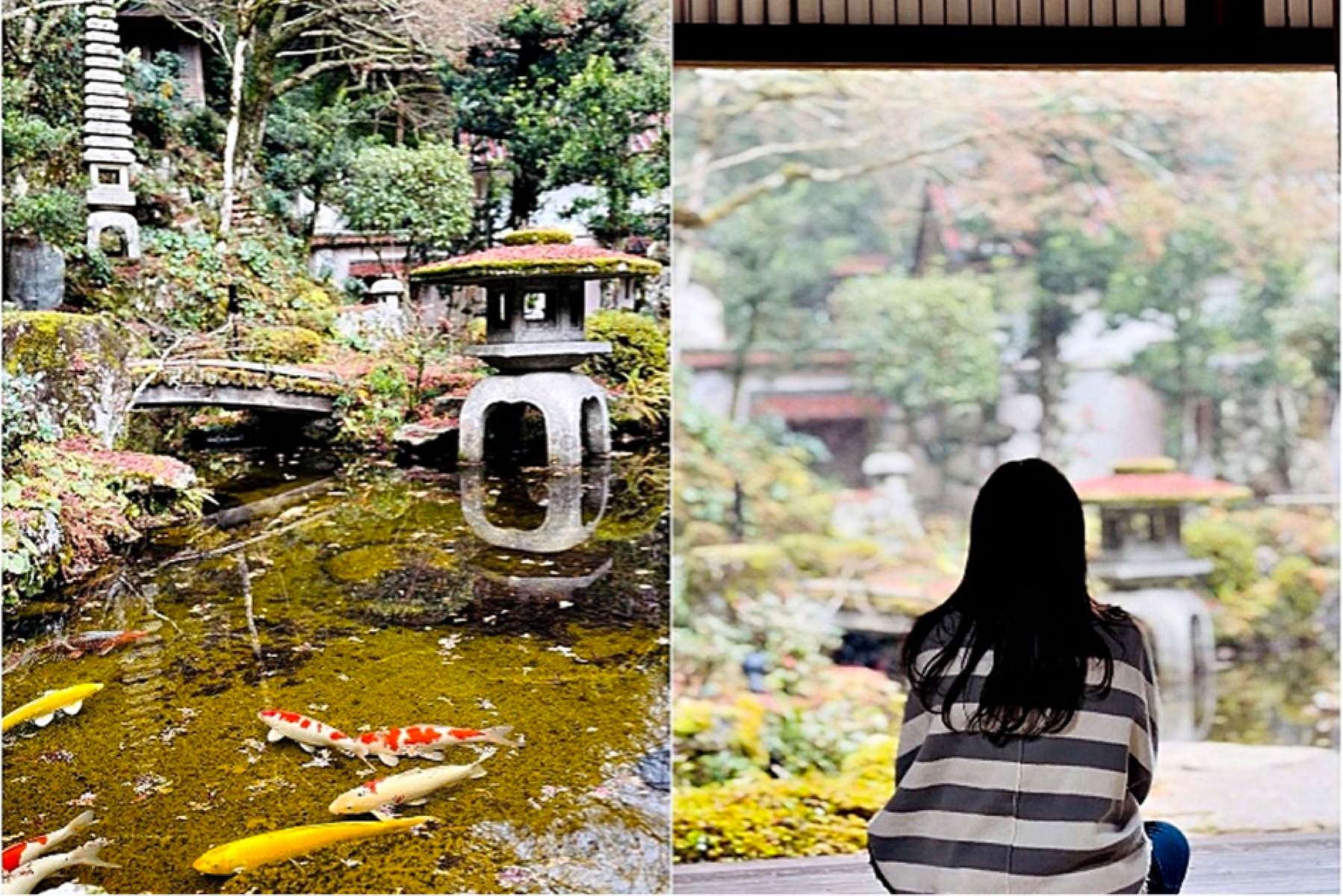
Boasting a 300-year history and renowned as a prime spot for autumn foliage, the Former Hori Family Garden was constructed by the Hori family, who amassed wealth through copper mining operations. It was later designated a National Scenic Spot. Set against a backdrop of mountains and forests, the central pond features a hexagonal snow-viewing lantern, while the stonework along the shore and the artificial hills offer captivating scenery throughout. Strolling through the garden allows visitors to savor the tranquil beauty where history and nature harmonize, offering distinct seasonal charms: fresh spring foliage, summer fireflies, autumn foliage, and winter snowscapes. During my visit, snow began to fall unexpectedly. The garden, blanketed in snow, took on an even purer, more exceptional charm, leaving an unforgettable impression.
Tsuwano Town Local History Museum
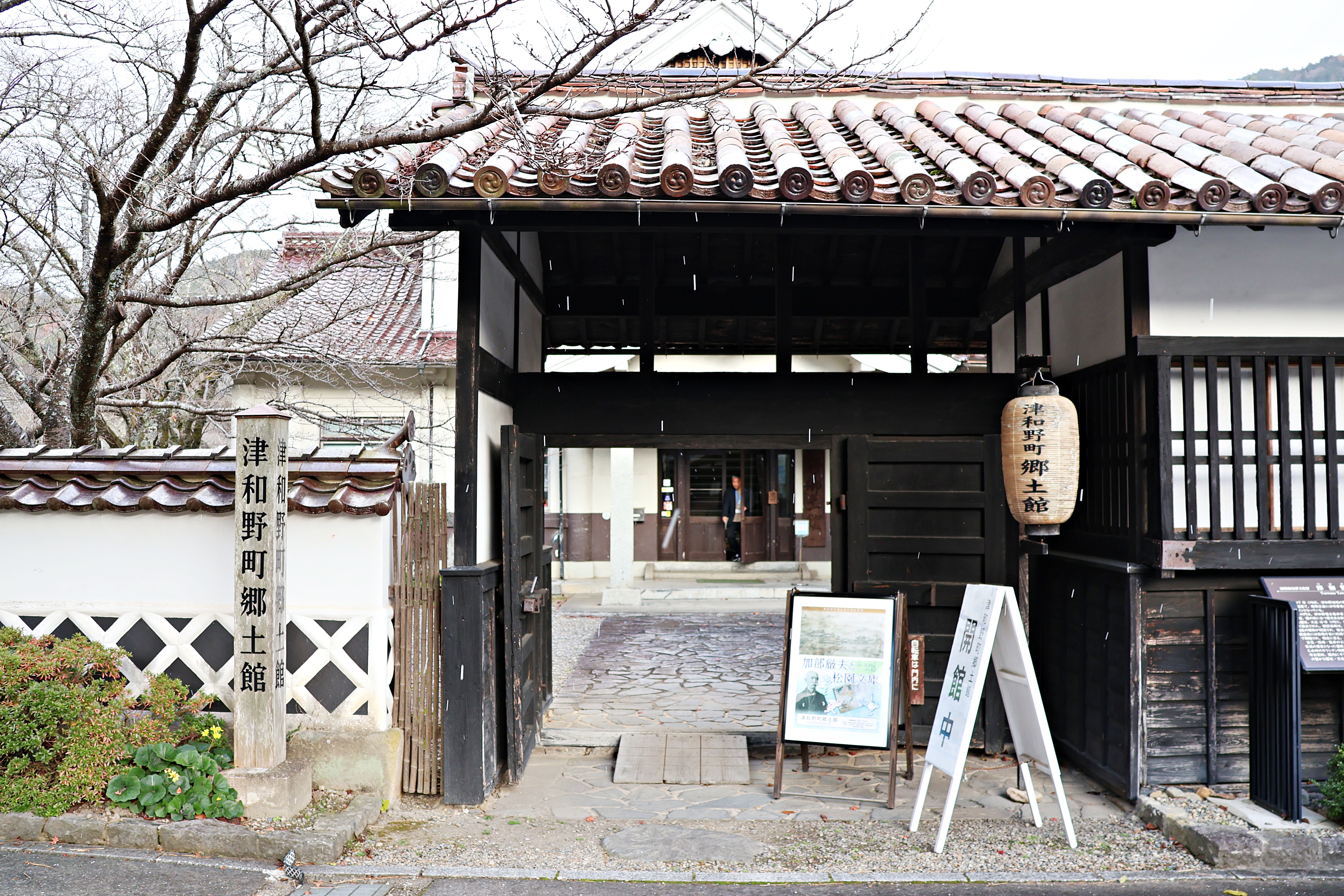

The Tsuwano Town Local History Museum displays thousands of items representing the region's rich historical and cultural heritage. This includes historical materials related to Tsuwano Castle, numerous relics and calligraphy works by sages and scholars, cultural artifacts, figures, and artworks connected to the area, as well as archaeological remains from the Jomon period. The highlight is the “Franki Cannon” displayed on the first floor, boasting a history of about 400 years. Only nine such cannons remain in Japan today. On the second floor, visitors can see an ancient prisoner cage, with a single small hole at the top for passing in meals, a sight that leaves a strong impression.
Tsuwano Town Anno Mitsumasa Museum of Art

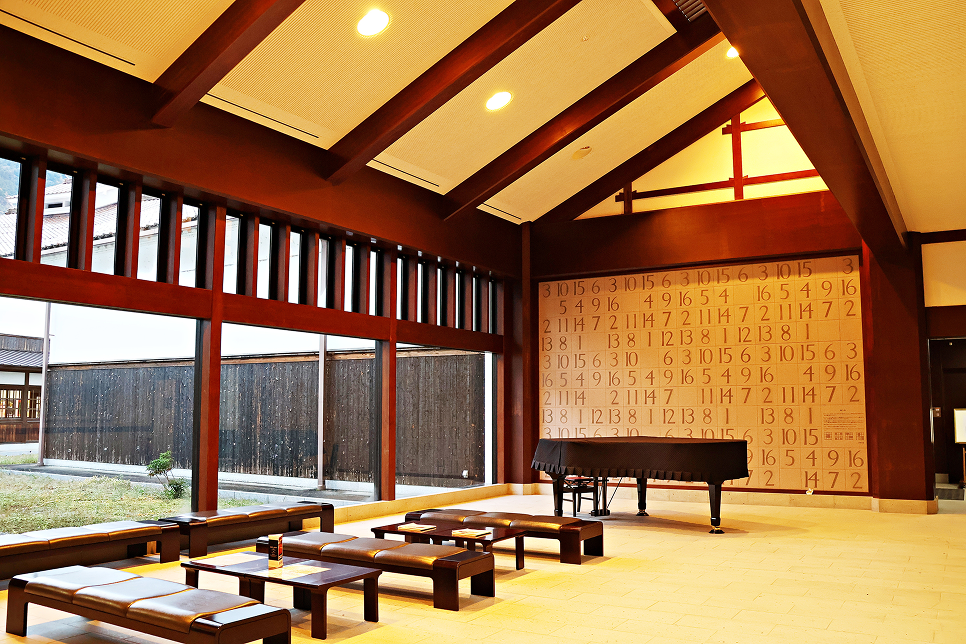
The Yasuno Mitsuyoshi Museum houses works by the Tsuwano-born artist Yasuno Mitsuyoshi, winner of the Hans Christian Andersen Award. On display is a wide range of his creations, including not only picture books but also landscape paintings, book covers, posters, and essays. Inside the museum, you'll find a recreation of Yasuno's former home and studio, as well as an observatory, a library, and a “Retro Classroom” that restores an elementary school classroom from the early Showa period. It's perfect for families with children. This museum, born from curiosity and boundless creativity, offers a glimpse into the origins of Mitsumasa Anno's artistic creation. With features like the “Retro Classroom” recreating an early elementary school classroom, it's perfect for families. It truly is a museum born from curiosity and boundless creativity, allowing visitors to connect with the source of Mitsumasa Anno's creativity. Finally, be sure to visit the gift shop. It offers an exceptionally wide selection of items.

Author: Mrs. Otsuka (Tsai Chia-hua)
Mrs. Otsuka is a freelance writer based in Tokyo. Navigating the balance between Taiwanese and Japanese cultures,she is a free-spirited traveler of words, seeking her own place to belong. In addition to regular contributions to online travel media, she participates in tourism reporting across Japan as a foreign correspondent. She frequently shares snippets of Japanese life and travel online. Her published works include “Mrs. Otsuka's Tokyo Dining Table Stories,” “Tokyo Slow Travel,” and “Mrs. Otsuka's Guide to Japanese Food.” She is currently writing a book about “Traveling Through Japan's Regional Towns.”
Access from the Tokyo metropolitan area to Tsuwano Town
 Air
Air 
 Rail
Rail
Haneda Airport

Haneda Airport
Hagi-Iwami Airport
 Shinkansen
Local Line
Shinkansen
Local Line
Tokyo Station
Tokyo Station
Shin-Yamaguchi Station
Access to Tsuwano Town from Kansai
Shinkansen
Local Line
Shin-Osaka Station
Shin-Osaka Station
Shin-Yamaguchi Station

